
Gun Registration in Oregon: What You Need to Know
By Michael G. Romano, Managing Attorney
Gun registration is a sensitive topic for Second Amendment supporters. Most gun owners don’t want the government keeping a list of every firearm and owner, for fear it would someday be used for confiscation. But suppose you just acquired a firearm in Oregon and want to do things by the book. Your wife gave you a hunting rifle for Christmas. Your boyfriend gave you a pistol for your birthday. Your uncle passed, and you inherited his shotgun. Do you need to register your gun in Oregon? The short answer is no. The longer answer involves background check records, federally registered items like suppressors, and a permit system that’s coming.

Does Oregon Require Gun Registration?
No. Oregon has no gun registration program. There’s no form to file and no agency that takes the information. If you tried to register a firearm, nobody would know what to do with it. That’s true whether you bought the gun from a dealer, received it from a family member, or brought it with you when you moved here.
Federal Law Prohibits a National Gun Registry
There’s no federal registry either, and federal law forbids one. The Firearm Owners Protection Act of 1986 added language to 18 U.S.C. 926(a) barring any rule that requires dealer records to be transferred to a government facility, or that establishes “any system of registration of firearms, firearms owners, or firearms transactions or dispositions.” Dealers do keep the Form 4473 you fill out when you buy a gun, and when a dealer goes out of business those records go to the ATF. That’s a paper trail for tracing a gun used in a crime, not a list of owners.
The exception is the National Firearms Act. Machine guns, short-barreled rifles, short-barreled shotguns, suppressors, “any other weapons,” and destructive devices have been registered with the ATF since 1934. In 2025, Congress cut the tax on suppressors, short-barreled rifles and shotguns, and “any other weapons” to $0, effective January 1, 2026 (Congressional Research Service). In August 2026, a federal court in Texas ruled that registration of those untaxed items exceeds Congress’s power, but its injunction covers only the plaintiffs and their members and customers.
Be careful applying that ruling in Oregon. Possessing a machine gun, short-barreled rifle, short-barreled shotgun, or suppressor is a Class B felony under ORS 166.272, and the defense is that the item “was registered as required under federal law.” Until Oregon courts or the legislature address the change, an unregistered NFA item in Oregon is a serious risk. Get advice before you rely on the Texas case.
States That Do Register Guns
A handful of jurisdictions require registration. The District of Columbia and Hawaii register all firearms. California, New York, and Illinois register certain firearms, such as handguns or the rifles their laws classify as assault weapons. If you’re moving to Oregon from one of those places, you have nothing to register here.
What Oregon Does Keep Records Of
No registry doesn’t mean no records. When a dealer runs your background check, the Oregon State Police may keep the information from that check for up to five years (ORS 166.412). The records are exempt from public disclosure.
Measure 114 will change that. Its permit-to-purchase system, now scheduled to begin January 1, 2028, and still being challenged before the Oregon Supreme Court, requires a permit to buy a firearm. Once it starts, ORS 166.412 requires the state to attach information about each firearm a permit holder buys to that person’s electronic permit record, without the five-year limit. The law doesn’t call it registration, but it will be a state record of which guns each permit holder bought.
Serial numbers are a separate rule. Since September 1, 2024, it’s been unlawful to possess an unserialized firearm in Oregon, such as a homemade “ghost gun,” unless it’s an antique, was made before October 22, 1968, or falls under another exception (ORS 166.266). A licensed dealer or gunsmith can add a serial number. That isn’t registration, but it is required.
Gifts and Transfers: Background Checks, Not Registration
Oregon regulates how guns change hands, not who owns them. Private party gun transfers generally have to go through a licensed dealer with a background check (ORS 166.435). Family transfers are the main exception. You can receive a gun without a background check from your spouse or domestic partner, parent or stepparent, child or stepchild, sibling, grandparent, grandchild, aunt or uncle, first cousin, niece or nephew, or the spouse or domestic partner of any of them. An estate can also pass a deceased owner’s guns to those relatives without a background check.
Eagle-eyed readers may think that long list of relatives is a bit of sarcasm. It isn’t. It’s the statute. Anyone outside it needs a dealer and a background check, even for a gift. These would all require one:
- Your girlfriend or boyfriend, who doesn’t live with you, gives you a Ruger Mark IV .22 LR pistol for Christmas.
- At your retirement party, your coworkers give you the Beretta over-under shotgun you’ve always wanted for trap.
- A good friend gives you a Glock 19 for your birthday. (You have very generous friends.)
Keep Your Own Records Instead
Some owners want proof a gun is theirs, the way a car title works, so they can report it if it’s stolen or show when they sold it. You can do that without the government. The ATF publishes a free Personal Firearms Record booklet you keep yourself. You never send it to anyone. A spreadsheet works just as well, and it’s a handy place to track round counts and when parts, like the barrel on your favorite AR-15, are due for replacement.
Those records matter more since 2021. Oregon now requires you to report a lost or stolen firearm to local law enforcement within 72 hours of learning of it, and each unreported gun is a separate violation (ORS 166.397). Serial numbers and descriptions make that report quick. Our page on Oregon’s 2021 gun storage and reporting laws covers the rest of that law. Finally, if you have homeowners, renters, or a personal articles policy, give your insurer a description and value of your firearms so they’re covered for theft or fire.
Frequently Asked Questions
Do I have to register my gun in Oregon?
No. Oregon has no gun registration program, and federal law prohibits a national registry of ordinary firearms. The exception is National Firearms Act items, such as machine guns, suppressors, and short-barreled rifles, which are registered with the ATF.
Does Oregon keep a record when I buy a gun?
Partly. The Oregon State Police may keep background check information for up to five years (ORS 166.412). Once the Measure 114 permit system starts, currently scheduled for January 1, 2028, information about each firearm a permit holder buys will be attached to the permit record.
Do I need to register a gun I inherited or received as a gift?
No registration is required. If the gun came from a close family member listed in ORS 166.435, such as a spouse, parent, child, sibling, grandparent, aunt, uncle, or first cousin, no background check is required either. A gift from anyone else must go through a licensed dealer with a background check.
Do suppressors still have to be registered in Oregon?
Assume yes. The federal tax on suppressors dropped to $0 in 2026, and a Texas court has blocked registration for some buyers, but ORS 166.272 makes possession a Class B felony unless the suppressor was registered as required under federal law. Get legal advice before relying on the Texas ruling in Oregon.
Do I have to report a stolen gun in Oregon?
Yes. ORS 166.397 requires you to report a lost or stolen firearm to law enforcement in the jurisdiction where it happened within 72 hours of learning of it. Each firearm you fail to report is a separate violation.
Talk to an Oregon Firearms Attorney
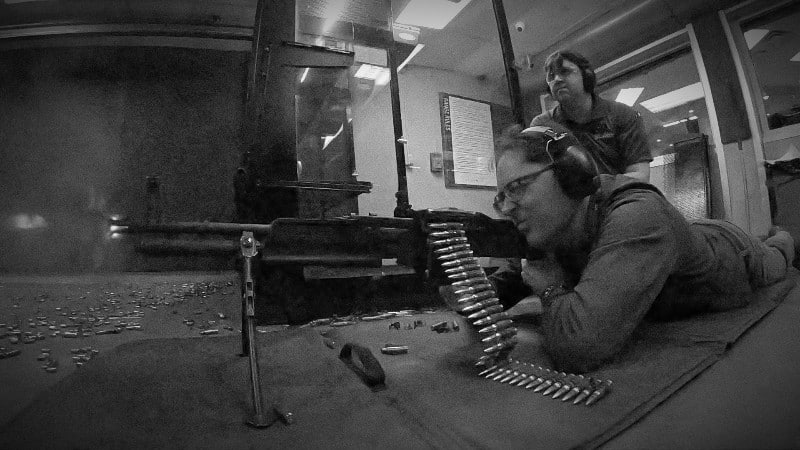
Have a question about Oregon gun laws that isn’t answered here? Michael Romano has over 25 years of Oregon trial experience, began his career as a prosecutor, and is an avid shooter and collector. A consultation costs far less than defending a firearms charge. Call 503-208-5529 or contact our office. Our concealed carry guide and the rest of our Oregon gun rights section cover carrying, storing, and transporting firearms.
Last updated: September 27, 2026 | Reviewed by Michael G. Romano, Managing Attorney. This page provides general information about Oregon law, not legal advice for your specific situation.