
Oregon Boating Under the Influence Attorney
By Michael G. Romano, Managing Attorney
Boating Under the Influence in Oregon is a crime very similar to Driving Under the Influence. Driving Under the Influence (DUI) in Oregon is more accurately called Driving Under the Influence of Intoxicants (DUII), and Boating Under the Influence (BUI) in Oregon is more accurately called Boating Under the Influence of Intoxicants (BUII). If you call it a “booey,” or, interestingly enough, a “buoy,” most people will understand what you’re talking about.
The two offenses share a lot, but they are not the same. The testing rules, the penalties, and the effect on your driver’s license all differ, and those differences can matter a great deal in how a BUII case is defended. This page walks through Oregon’s BUII law as it stands today.
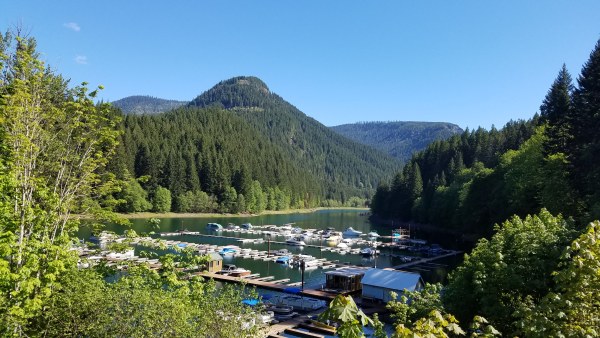
Where BUII Arrests Happen in Oregon
When I first wrote this page in 2016, statewide BUII arrests had been falling for years from a peak of more than 250 around 2000. Jackson County has historically had a large share of them, thanks to the popularity of the Rogue River and heavy marine patrols, and Emigrant Lake and Lost Creek Lake are common arrest locations. In the Portland area, sheriff’s marine units patrol the Willamette and Columbia Rivers, the Multnomah Channel, and Henry Hagg Lake in Washington County, Oregon, and enforcement picks up around summer holiday weekends.
If you’re heading out to a lake, river, or the ocean and want to know Oregon’s boating rules, the Oregon State Marine Board’s boating under the influence page is a good place to start.
What Oregon’s BUII Law Says
Oregon’s BUII statute, ORS 830.325, makes it a crime to operate, propel, or be in actual physical control of any boat on any waters of this state while under the influence of intoxicating liquor, cannabis, psilocybin, an inhalant, or a controlled substance. The list of intoxicants has grown over the years. Older versions of the law, including the one quoted on this page for years, mentioned only alcohol and controlled substances.
The statute also reaches boat owners and anyone in charge of a boat. It is a separate violation to authorize or knowingly permit someone who is under the influence to operate your boat. Handing the keys or the tiller to an impaired friend can put you in the same courtroom.
Kayaks, Canoes, and Paddleboards Count
The BUII law applies to motorized boats (speedboats, fishing boats, pontoon boats, jet skis, and inflatable boats with a motor) and to non-motorized watercraft such as sailboats, canoes, kayaks, drift boats, stand-up paddleboards, and inflatable rafts. Oregon defines a “boat” broadly as any watercraft used or capable of being used as a means of transportation on the water (ORS 830.005). The definition leaves out air mattresses, beach and water toys, and single inner tubes, so floating the river on one tube is not boating. A multi-person raft is a closer call.
The Legal Limit, and Impairment Below .08
The legal limit is .08, the same as for DUII. A blood alcohol content of .08 or more is, by statute, being under the influence (ORS 830.510). But .08 is not a safe harbor. A result under .08 can still be used along with other evidence, such as the officer’s observations and field sobriety tests, to argue that you were impaired, and cannabis, psilocybin, and other drugs have no per se number at all.
Breath Tests, Urine Tests, and Field Sobriety Tests on the Water
Oregon’s boating implied consent law works differently from the driving version. If you are arrested for BUII, you are deemed to have consented to a breath test for alcohol and a urine test for drugs (ORS 830.505). For those chemical tests, though, “boat” means only a motorboat or a sailboat. A kayaker or paddleboarder arrested for BUII is not under the breath and urine implied consent rules, although police can still seek a warrant for a blood or other test.
The field sobriety tests used in Oregon are a different story. Anyone operating any boat is deemed to consent to them when an officer reasonably suspects BUII, and evidence that you refused or failed to physically submit can be used against you in court (ORS 830.550). These tests are hard enough on dry pavement. On a dock after hours in the sun and wind, or after being moved to a distant boat ramp for testing, they are even less reliable, and that is often a real issue in a BUII defense.
BUII Penalties in Oregon
BUII is a Class A misdemeanor (ORS 830.990). Like any Class A misdemeanor in Oregon, it carries a maximum of 364 days in jail (ORS 161.615), a fine of up to $6,250 (ORS 161.635), and up to five years of probation.
A conviction also brings penalties the judge must impose under ORS 830.994:
- An order not to operate a boat for one year. Knowingly violating that order is its own Class A misdemeanor.
- A classroom boating safety course approved by the State Marine Board.
- A one-year suspension of your boating safety education card.
The judgment must also state whether you refused testing. If it finds you refused a breath or urine test or field sobriety tests after being told the consequences, the Marine Board suspends your boater education card for three years instead (ORS 830.555).
There is also room to negotiate that doesn’t exist in a DUII case. Oregon lets a prosecutor elect to treat a misdemeanor as a Class A violation, which is closer to a traffic ticket than a crime, and DUII is specifically excluded from that option while BUII is not (ORS 161.566). Whether a prosecutor will agree depends on the county, the facts, and how the case is presented. On the other hand, Oregon’s DUII diversion program under ORS 813.200 applies only to DUII, so there is no statutory diversion for BUII.
BUII on the Water, DUII at the Boat Ramp
The Marine Board warns boaters every summer about a trap that catches people as they head home: once you back the trailer down the ramp and drive the boat out of the water, you are driving a motor vehicle. An officer who suspects impairment at that point can investigate you for DUII, with its own DMV suspension, implied consent consequences, and Oregon DUI defense issues. If anyone in the group has been drinking, the sober person should be the one behind the wheel of the truck.
What to Do After a BUII Arrest or Citation
Many of the defenses available in DUII cases are also available in BUII cases, and the work of preserving them starts right away. After a BUII arrest or citation in Oregon:
- If your boat was seized or impounded, get it out as soon as possible to avoid storage charges.
- Photograph the boat and any related equipment if it may not be available later (a friend’s boat, a rental, or a boat you’re selling).
- Don’t talk with anyone about the facts of the case, and read about whether you should talk to the police at all.
- Gather all the paperwork from the investigation and arrest and keep it together in a safe place.
- Write down as much detail as you can about the day before memories fade. If other people saw what happened, get their full names and contact information.
- Talk to a criminal defense attorney as soon as possible.
Frequently Asked Questions
Can I get a BUII in a kayak or canoe?
Yes. Oregon’s BUII law applies to any boat, and a boat includes any watercraft used or capable of being used for transportation on the water, including kayaks, canoes, and stand-up paddleboards. Air mattresses, beach and water toys, and single inner tubes are excluded (ORS 830.005).
Can I get a BUII while drinking on someone else’s boat?
A passenger who is only along for the ride is not committing BUII. The question is whether you were operating, propelling, or in actual physical control of the boat while impaired, and something as simple as sitting at the wheel of a speedboat or paddling can qualify. The owner or person in charge can also be charged for knowingly letting an impaired person operate the boat (ORS 830.325).
What is the legal limit for BUII in Oregon?
The legal limit is .08 blood alcohol content, the same as for DUII (ORS 830.510). You can still be charged below .08 if the officer believes you were impaired, and drug-based BUII charges have no numeric limit at all.
Will a BUII suspend my driver’s license?
A BUII is not a DUII, so it does not by itself trigger an Oregon DMV driver license suspension. It does bring a one-year court order not to operate a boat and a one-year suspension of your boater education card, or three years if the court finds you refused testing (ORS 830.994, ORS 830.555). Driving the boat trailer out of the water while impaired is a separate DUII risk.
Can a BUII be reduced to a violation?
Yes, in some cases. Oregon lets the prosecutor elect to treat most misdemeanors, including BUII, as a Class A violation, which means no jail and no criminal conviction (ORS 161.566). DUII is excluded from that option. Whether a reduction is offered depends on the county, your record, and the strength of the evidence.

Talk to an Oregon BUII Defense Attorney
If you’ve been arrested or cited for boating under the influence in Oregon, the testing and suspension rules make the first few weeks matter. I started my career as a prosecutor in Klamath, Coos, and Deschutes Counties and have spent more than 26 years in Oregon courtrooms since. Call 503-208-5529 or schedule a consultation to talk through your case, or read more about our Oregon criminal defense practice.
This page is general information about Oregon law, not legal advice for your situation.
Last updated: September 27, 2026 | Reviewed by Michael G. Romano, Managing Attorney